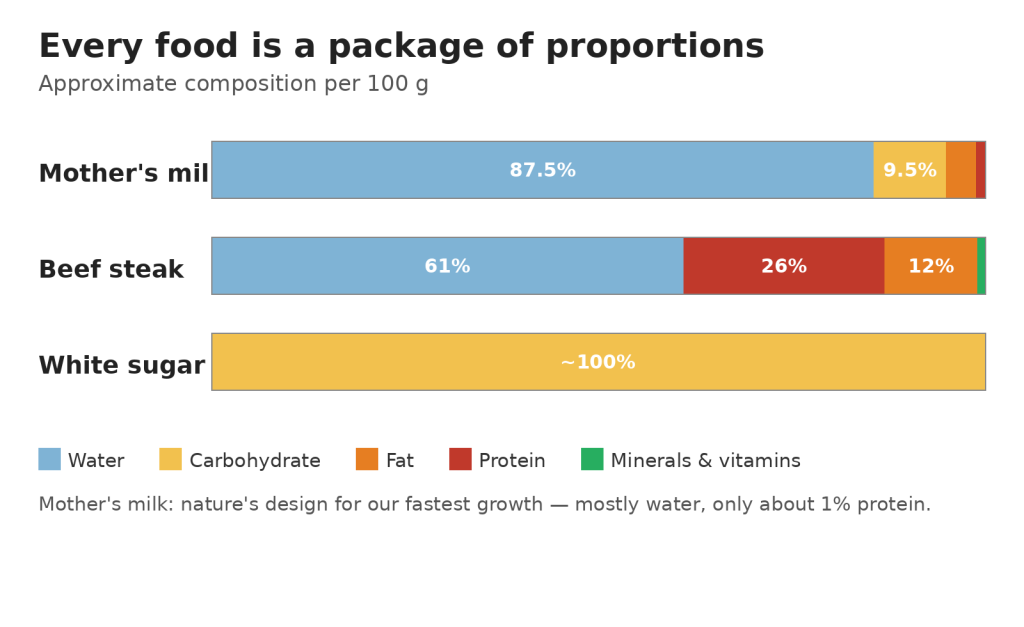
Why Diets Confuse Us — and the Simple Yardsticks Behind Them All
Start here — Part 1 of Making Sense of Diets, an 11-part series comparing the ways we eat. If you feel confused about how to eat, you are in good company — and it is not your fault.
Start here — Part 1 of Making Sense of Diets, an 11-part series comparing the ways we eat. If you feel confused about how to eat, you are in good company — and it is not your fault.
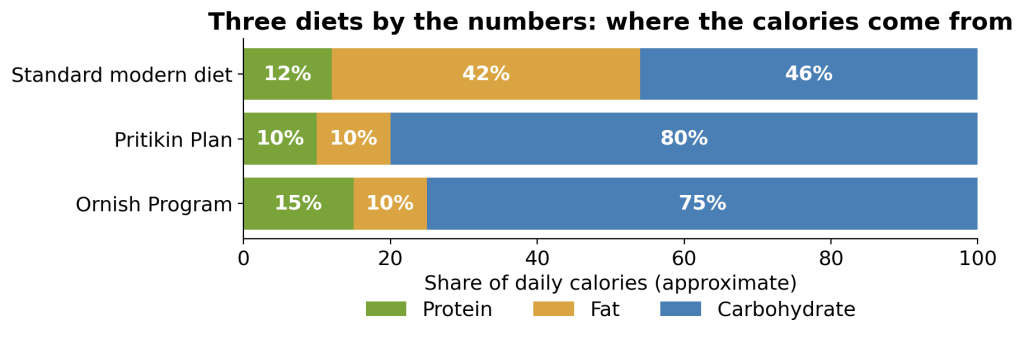
Part 2 of Making Sense of Diets. In Part 1 we built our yardsticks; here the first famous challengers — Pritikin and Ornish — blame fat, and cut it almost to zero.
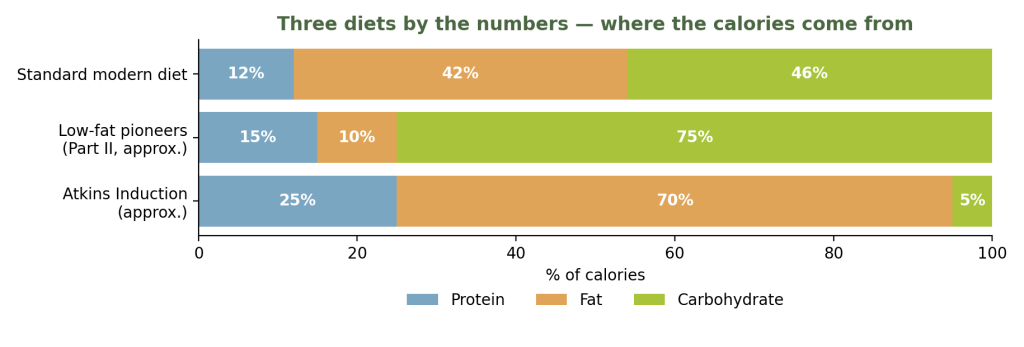
Part 3 of Making Sense of Diets. The low-carb rebels argue the exact opposite of Part 2: fat was never the villain — carbohydrate is.
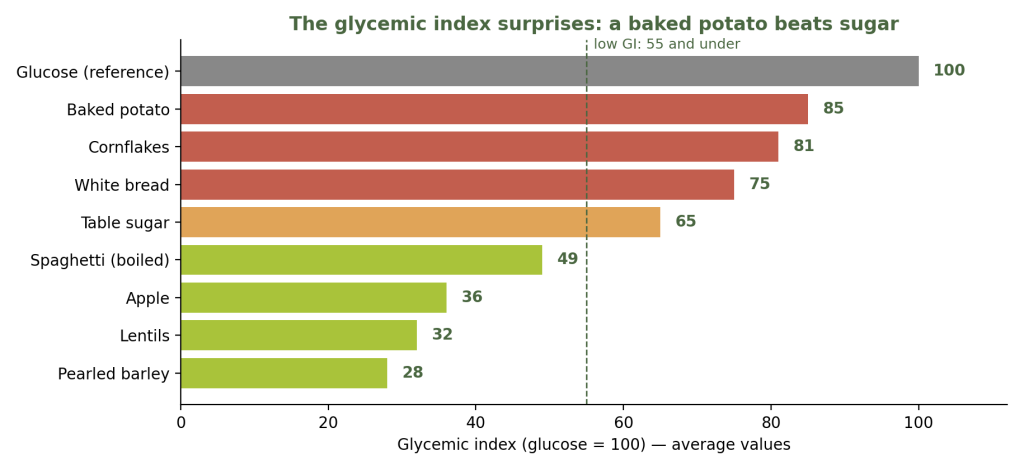
Part 4 of Making Sense of Diets. Two refinements that tried to fix the extremes: the glycemic index, and the Zone’s 40/30/30 balance.
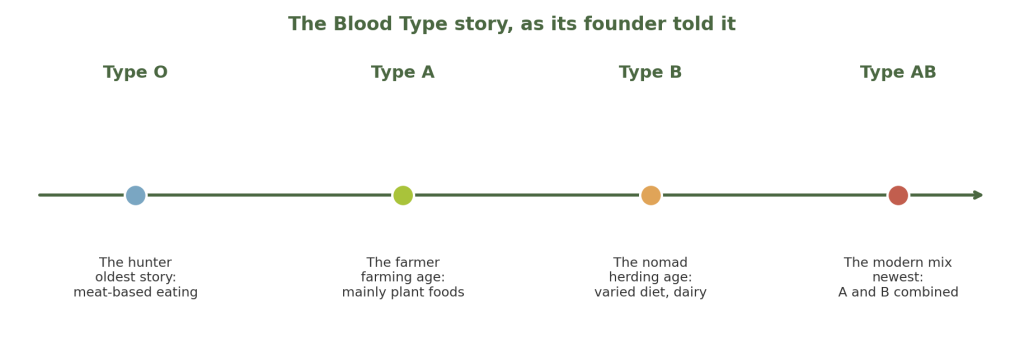
Part 5 of Making Sense of Diets. Part 4’s refinements still treated everyone the same; here the individualists fit the diet to the person — by constitution, by metabolic speed, by gland, even by blood type.
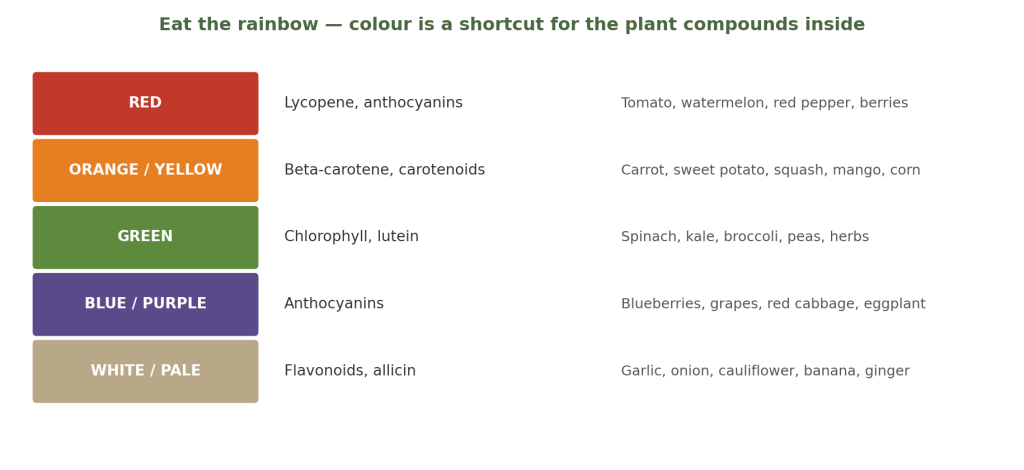
Part 6 of Making Sense of Diets. Two questions about the plate itself: does it matter which foods sit together — and which colours are on it? One idea comes with strict rules; the other just asks, have you eaten every colour today?

The recipe card above is how this drink was first shared on Genesis Health. Here it is written out in […]
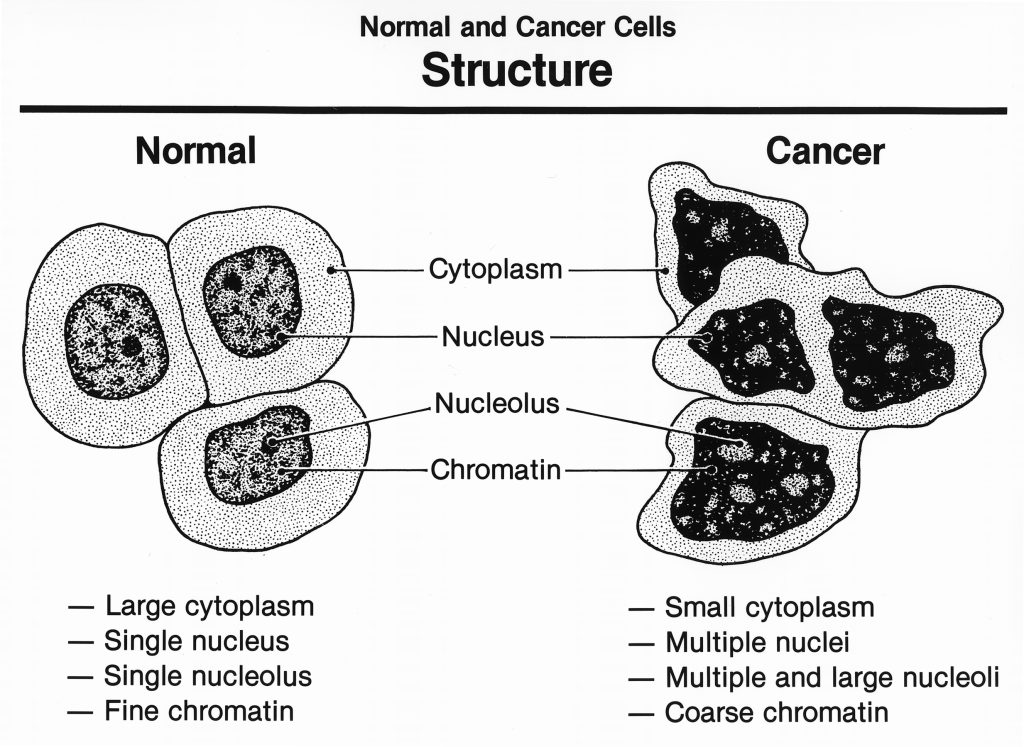
A normal cell (left) and a cancer cell (right). Cancer begins when a cell’s growth controls fail. Illustration: National Cancer […]
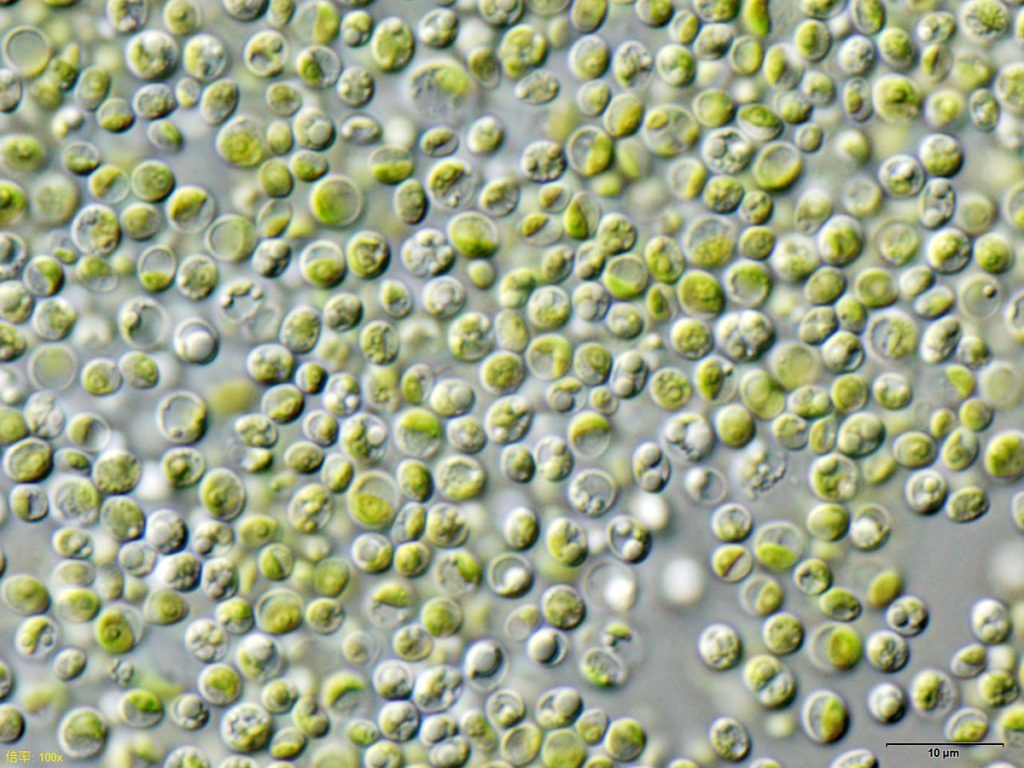
Chlorella is a single-celled algae that grows in fresh water. It is extremely small — about the size of a […]

If your doctor has said this to you, you are not alone — and it may help to know that […]

The Why Cancer articles — read this one first. Parts One and Two: a non-conventional belief that cancer can be triggered by emotional conflict. The companion article, “Which Conflict, Which Organ?”, follows right after.
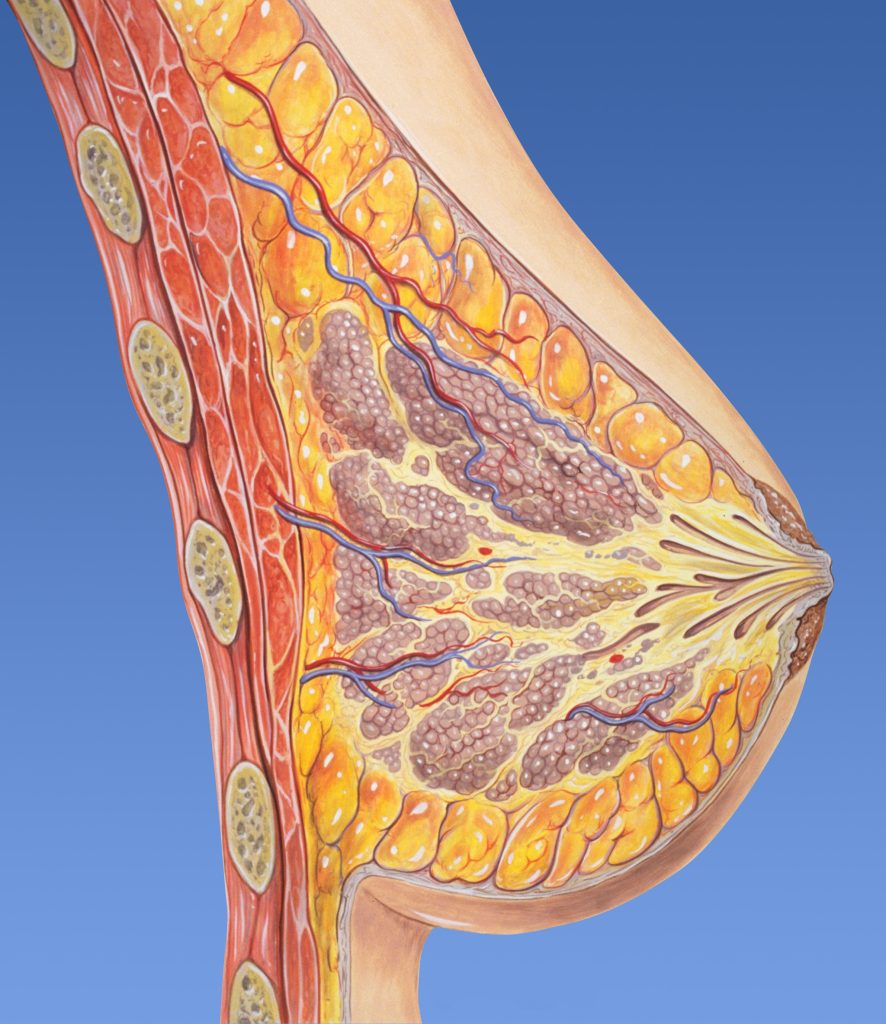
The companion to “Why Cancer — Parts One and Two”: which conflict strikes which organ, in Hamer’s model. In our previous article we ended with breast cancer, so let us begin there.