You have probably heard about it. A diabetes injection — expensive, once a week — that movie stars and celebrities are using to shrink before our eyes. It works so well that it raises an old question in a new way: if a hormone injection can switch off hunger, was obesity ever really about willpower? Or is it written in our genes?
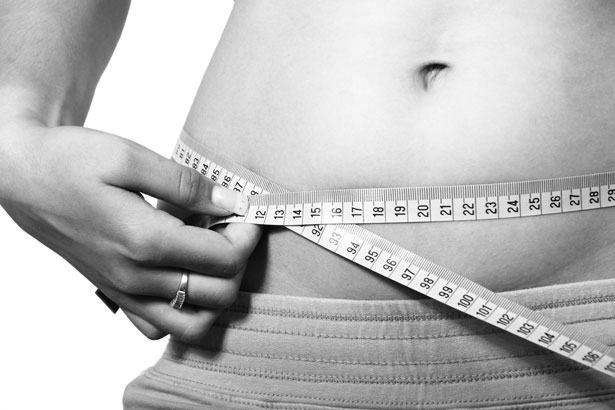
The honest answer is: partly, yes. And the new drugs are teaching us why.
What the genes actually do
Obesity runs in families, and that is not just because families share the same kitchen. Studies of identical twins — including twins raised apart — suggest that genes account for a large share of the body-weight differences between people, often estimated at 40 to 70 percent.
Genes do not usually force a person to be fat. Instead, they set the dials:
- Appetite. Some people feel full sooner; others can eat a large meal and feel hungry again quickly.
- Storage. Some bodies are quick to store extra energy as fat and slow to let it go — a useful survival trait in times of famine, a problem in times of plenty.
- Burn rate. Muscle burns more calories than fat, and our muscle mass and resting metabolism are partly inherited too.
A few people carry a single strong gene fault, such as in the MC4R gene, that drives severe obesity from childhood. For most of us it is not one gene but hundreds of small nudges, all pushing in the same direction.
Genes load the gun; modern life pulls the trigger
If obesity were purely genetic, our grandparents — carrying the same genes — would have been as heavy as we are. They were not. What changed is the world around the genes: food that is cheap, soft, sweet and available everywhere; ultra-processed products engineered to be easy to overeat; less physical work; poorer sleep; more stress.
That is why two people can eat at the same table and end up in different bodies — and why the same person can gain weight in a new city, a new job, or a new decade of life. Genes set the tendency. Environment and habits decide how much of that tendency shows.
The yo-yo trap makes it worse
For years, people living with obesity have said they gain weight even when they eat less than a slimmer person. Research has shown this can be true — and repeated dieting is one reason why.
Very low-calorie diets produce quick, dramatic loss the first time. But most dieters regain the weight within two to five years, and many gain back more than they lost. Each cycle tends to cost muscle and return fat, and muscle is the tissue that burns calories. Repeated dieting also raises the level of lipoprotein lipase, an enzyme that helps the body store fat — so the body becomes more efficient at refilling its fat stores than it was before.
So the lesson is simple: do not begin a weight-loss program unless it is moderate, balanced, built around real food, and paired with exercise — a program you can actually live with for good.
Not all calories behave the same way in the body, either. Storing dietary fat as body fat costs the body very little energy, while converting carbohydrate into fat costs roughly a quarter of its calories. This is one reason the kind of food matters, not only the number on the label.
What the new weight-loss drugs teach us
The new medicines — semaglutide (Ozempic, Wegovy) and tirzepatide (Mounjaro, Zepbound) — copy or boost a gut hormone called GLP-1. In plain words, they tell the brain “you are full” sooner, quiet the constant thoughts about food that many people call “food noise,” slow the stomach, and help the body handle blood sugar.
The results are unlike anything diet programs have produced. In the large STEP 1 trial, people on semaglutide lost on average about 15 percent of their body weight, against about 2 percent with placebo. With tirzepatide, average loss reached about 21 percent.
Notice what this proves. A drug that works on appetite hormones should not be able to do this if weight were purely a matter of discipline. For many people, hunger itself is set higher by biology. That is not an excuse — it is an explanation, and explanations point to better treatment.
But is it a magic pill?
No. It is a powerful medicine, and like all powerful medicines it has two sides:
- Side effects are common — nausea, vomiting, diarrhea and reflux, especially while the dose is rising. There are rarer risks, such as gallbladder problems and pancreatitis, which is why these drugs belong under a doctor’s care.
- Muscle can be lost along with fat if protein intake and resistance exercise are neglected — the very trap of yo-yo dieting, in a new form.
- The weight tends to come back when the drug stops. In follow-up studies, people regained on average about 0.8 kg a month after stopping these medicines, and in one major trial extension about two-thirds of the lost weight returned within a year. For most people this is a long-term treatment, not a short course.
- Cost has been a barrier. The brand-name drugs are expensive. In Canada this is beginning to change: Health Canada approved the first generic versions of semaglutide in 2026, and generics are typically much cheaper than the brand. Generic tirzepatide is still years away.
So the drugs are best understood as a tool — a strong one — not a cure, and not a substitute for the daily foundations.
The foundation has not changed
Whether or not medicine is part of the plan, the same root causes still deserve attention: insulin resistance, an underactive thyroid, hormonal imbalance, poor sleep, chronic stress, and a diet mismatched to the person’s own metabolism. This is where careful assessment matters — identifying why this body is storing weight is the key to choosing the right food plan, the right support, and, when appropriate, the right medical treatment.
The bottom line: obesity is not a character flaw, and it is not a life sentence written in stone. It is a genetic tendency, switched up or down by the modern environment and by daily habits. The new drugs prove the biology is real — and they work best in the hands of people who also rebuild the foundations: real food, enough protein, movement that protects muscle, and sleep.
This information is provided/written by David Chan, CNP, ROHP, and is educational only — it is not intended to replace the medical advice of your doctor. Please consult your doctor for advice about a specific medical condition.