No one can promise to prevent cancer. But the odds are not fixed. Canada’s ComPARe study — the largest study of its kind in this country — found that about 4 in 10 cancer cases can be prevented through healthy living and policies that protect our health. That also means about 6 in 10 cannot, with what we know today. Prevention lowers your risk. It is not a guarantee — and a person who gets cancer has not necessarily done anything wrong.
Here are the steps that matter most, in the order the research ranks them.
1. Live smoke-free
Smoking tobacco is the single largest preventable cause of cancer in Canada — ahead of everything else on this list. If you smoke, quitting is the biggest step you can take, at any age. If you do not smoke, do not start, and keep your home and car smoke-free for the people around you.
2. Move your body, and keep a healthy weight
Too little activity and excess body weight are the next two preventable causes. Aim for at least 150 minutes a week of moderate activity — activity that makes you breathe harder but still lets you talk, such as a brisk 30-minute walk on five days. You do not need a gym. Walking, gardening, cycling and dancing all count, and going from nothing to something brings the biggest gain.
3. Eat the protective way
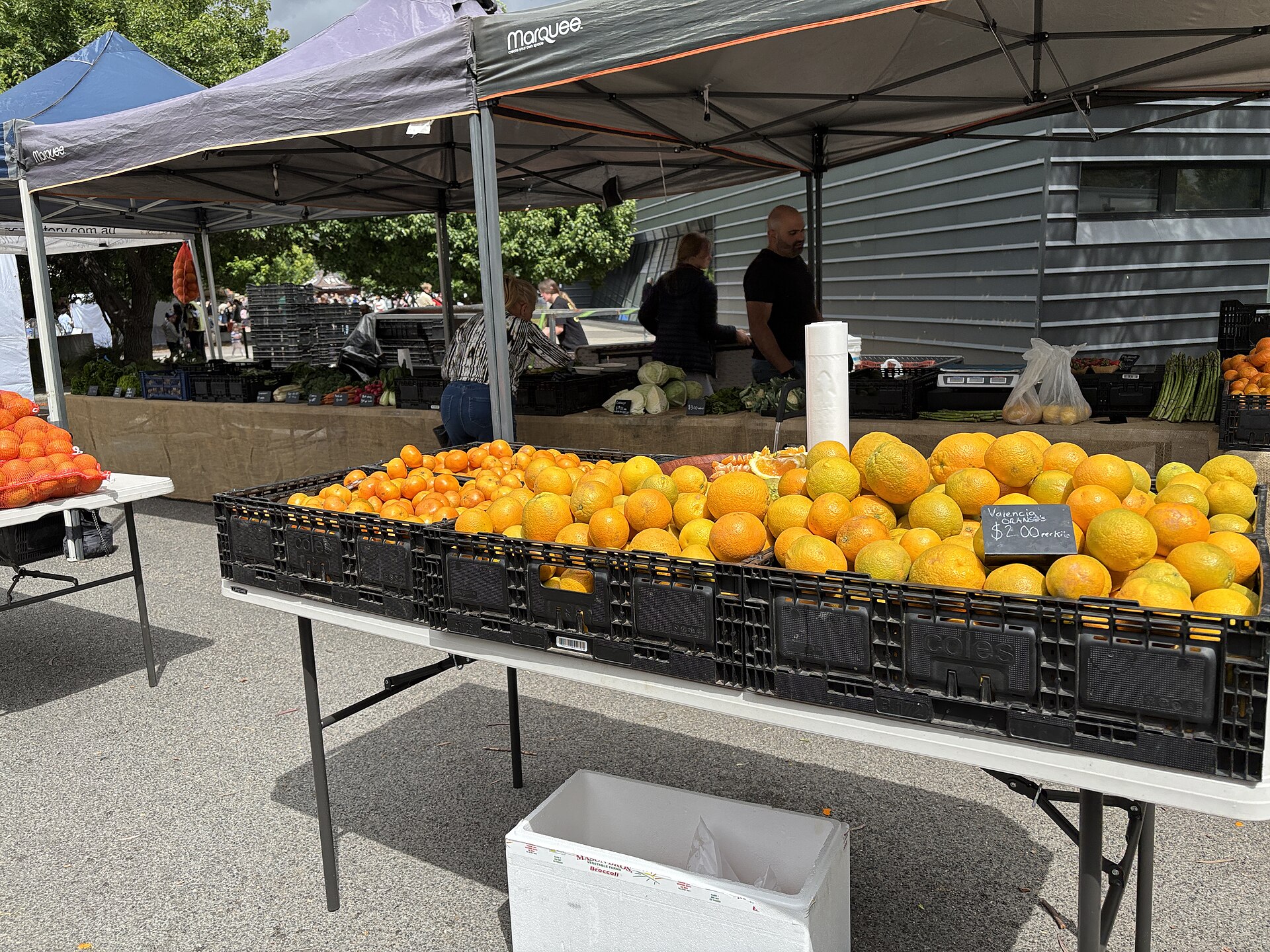
- Build most of your plate from vegetables, fruit, whole grains and beans (legumes). Low fruit intake is itself one of the top five preventable causes in Canada.
- Fibre (the roughage in whole grains, beans and vegetables) helps protect the bowel.
- Limit processed meat — bacon, ham, sausages and deli meats. This is the food with the strongest proven link to cancer, especially bowel cancer.
- Go easy on red meat and on rich, high-fat animal foods, and cut back on sugary drinks and heavily factory-made (ultra-processed) foods and snacks.
You are what you eat, as the old saying goes — food shapes both body and state of mind. Small, steady changes you can keep beat a strict diet you quit in a month.
4. Drink less alcohol — or none
Alcohol raises the risk of several cancers, including breast and bowel cancer, and the risk rises with the amount. Canada’s current guidance puts low risk at two standard drinks a week or fewer. The plain rule is: the less you drink, the lower your risk.
5. Protect your skin
Use shade, a hat and clothing first, and sunscreen on the skin that stays uncovered. Never use indoor tanning (sunbeds) — their ultraviolet light is a proven cause of skin cancer, and Ontario restricts them for people under 18 for that reason.
6. Use the vaccines that prevent cancer
Some cancers begin with a virus, and two vaccines cut that risk:
- The HPV vaccine protects against human papillomavirus, the virus that causes almost all cervical cancers — the most preventable cancer of all — and several other cancers. It works best when given before exposure, which is why it is offered in school programs; adults can ask their doctor whether it still makes sense for them.
- The hepatitis B vaccine protects the liver against a virus that can lead to liver cancer.
7. Get screened — finding it early, and sometimes stopping it first
Screening is not quite prevention: it finds cancer early, when treatment works best. Two programs go further — cervical and colorectal screening can find growths before they turn into cancer, so they can be removed in time. In Ontario today:
- Breast: a mammogram every 2 years, now from age 40 to 74 (the program expanded to age 40 in Oct 2024).
- Cervical: an HPV test every 5 years from age 25 (Ontario switched from the Pap test to the HPV test in Mar 2025).
- Colorectal (bowel): a simple stool test at home (FIT) every 2 years, ages 50 to 74.
- Lung: a low-dose CT scan for people aged about 55 to 74 with a long, heavy smoking history — ask your doctor if you qualify.
Programs and ages vary by province, so follow the program where you live — and keep the appointments even when you feel perfectly well. That is the point of screening.
A closing word
Start where you stand: quit or cut tobacco, walk daily, fill half the plate with vegetables, drink less, cover up in the sun, and keep your screening dates. Talk to your doctor or nurse about your own cancer risks, including your family history — some risks call for earlier or extra screening. Food, rest and a healthy way of living are powerful daily habits, but they support medical care; they do not replace it, and this site makes no claim that they do.
Keep reading on Genesis Health: “Cancer Types,” our plain map of the main cancer families, and “Signs of Cancer,” on the changes that deserve a prompt doctor’s visit.
This information is provided/written by David Chan, CNP, ROHP, a very experienced Holistic Nutritionist who has consulted clients for over 15 years. It is educational only — it is not intended to replace the medical advice of your doctor. Please consult your doctor for advice about a specific medical condition. Genesis Health provides education and serves existing private clients only. © Copyright Genesis Health Inc. All rights reserved.